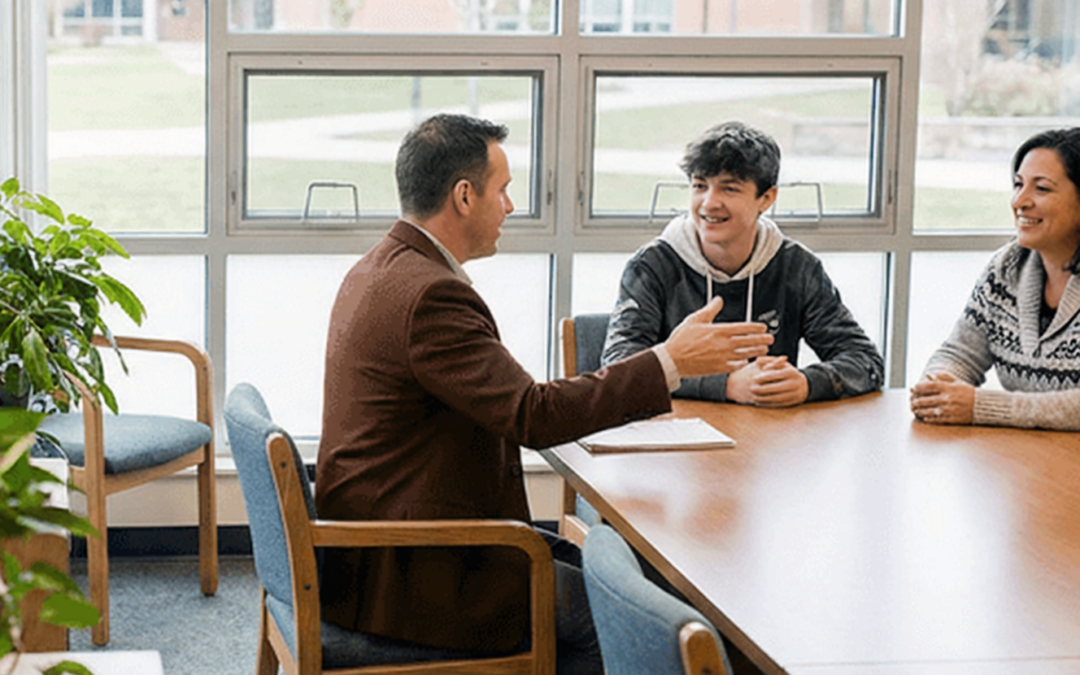
Special education is built around the understanding that students with disabilities require individualized supports to access education and make meaningful progress. Teachers, special educators, related-service providers, administrators, and families all contribute to this process. School social workers are another essential part of the special education team because they address needs that extend beyond academics and classroom instruction.
School social workers bring expertise in social-emotional development, family systems, mental health, behavior, community resources, and advocacy. Their responsibilities can include counseling students, participating in IEP meetings, conducting social-developmental assessments, supporting positive behavior interventions, assisting families, coordinating community services, and responding to crises. When appropriately integrated into special education programs, school social workers can help schools address barriers that interfere with student learning and family participation.
For teachers, parents, and policymakers, understanding the role of school social workers is important because educational outcomes are influenced by much more than what happens during instructional time.
The Social Work Perspective in Special Education
School social workers contribute a perspective that complements the expertise of teachers and other related-service providers. Their work focuses on the interaction between the student and the environments in which the student lives, learns, and develops. A social worker can help the educational team examine factors like family stress, trauma, poverty, and mental health concerns rather than viewing behavior only as a compliance issue.
This perspective is particularly valuable in special education because eligibility for services and educational planning requires teams to consider how a disability affects a student’s educational performance and access to instruction. Social workers can provide information about social-emotional functioning, family circumstances, peer relationships, behavior, and other factors that may affect educational participation.
Participation in the IEP Process
School social workers may serve as important members of the IEP team. Their specific responsibilities vary by school, district, state, and student need, but their expertise can be particularly useful when social-emotional or behavioral factors affect educational performance.
Social workers may contribute information from evaluations, interviews, observations, counseling sessions, and collaboration with other professionals. They can help the team identify appropriate social-emotional goals, behavioral supports, counseling services, and strategies for increasing school engagement. Their involvement can also help ensure that family concerns are incorporated into educational planning. Parents and guardians often have information about their child’s behavior, strengths, communication style, and needs that cannot be fully understood through school-based observation alone.
A strong IEP process depends on meaningful collaboration. Social workers can help bridge the perspectives of families and school personnel so that the resulting plan reflects the student’s individual circumstances.
Supporting Positive Behavior
Behavior is one of the areas in which school social workers can have a significantly tangible impact on special education. Students with disabilities may demonstrate behaviors that interfere with learning or participation, and those behaviors require thoughtful assessment rather than assumptions about motivation.
School social workers can participate in Functional Behavioral Assessments, Behavior Intervention Plans, and other problem-solving processes. Their contribution may include examining environmental factors, identifying patterns in behavior, gathering information from families, and helping staff develop interventions that teach replacement skills. This work is consistent with the broader principle of positive behavioral support, which emphasizes understanding the underlying reasons for a behavior and teaching effective alternatives rather than relying primarily on exclusionary or punitive responses.
For teachers, this can provide additional professional support when challenging behavior is affecting the classroom. For parents, it can provide a more comprehensive understanding of their child’s behavior across school and home environments.
Counseling and Mental Health Support
Many students receiving special education services also experience mental health challenges. These concerns can affect attendance, relationships, classroom participation, self-regulation, and academic progress.
School social workers may provide individual or group counseling when those services are appropriate and included within the student’s educational program. They may address topics such as emotional regulation, social skills, conflict resolution, coping strategies, grief, adjustment to disability, and school anxiety.
Their role is not necessarily to replace community mental health providers. Instead, school social workers can coordinate school-based support with outside services when appropriate. This coordination can be especially important when students have complex needs that cross the boundaries between education, mental health, health care, and social services.
Supporting Parents and Families
Effective social work includes listening to families, respecting their expertise regarding their children, and helping create productive relationships between home and school. Parents may need help understanding evaluations, eligibility determinations, IEPs, behavioral supports, accommodations, related services, disciplinary procedures, and transition planning.
School social workers can help families understand school processes and connect them with appropriate resources. They may also help address practical barriers that affect educational participation, such as transportation problems, housing instability, food insecurity, access to health care, or difficulty obtaining community-based services.
Advocacy and Student Voice
Advocacy is another central component of school social work. Social workers can help ensure that students have meaningful opportunities to participate in decisions affecting their education. For students with significant communication or cognitive disabilities, expressing preferences and participating in educational decision-making may require additional supports. Social workers can help educational teams consider how to incorporate student voice in developmentally and individually appropriate ways.
Social workers may also advocate for equitable access to educational services and address barriers related to disability discrimination, poverty, language differences, mental health, or other circumstances. For policymakers, this aspect of the profession highlights why school social work is connected not only to individual student services but also to broader questions of educational equity.
Benefits to Teachers and School Teams
School social workers can also benefit educators. Teachers are often expected to address academic instruction, classroom management, behavioral needs, family communication, and social-emotional concerns simultaneously. Having a social worker on the team provides another professional who can address some of these responsibilities.
Collaboration can allow teachers to concentrate more effectively on instruction while social workers provide specialized support related to counseling, family engagement, behavior, and community resources. This benefit depends on meaningful integration. Social workers are most effective when they are treated as members of the educational team rather than as professionals who are called only when a crisis occurs.
Challenges Facing School Social Workers
Despite their value, school social workers face significant challenges. Caseloads may be large, resources may be limited, and schools may have difficulty hiring enough qualified professionals to meet student needs.
Another challenge is role clarity. The responsibilities of school social workers can vary considerably among districts. In some settings, they may be deeply involved in special education planning and direct services. In others, they may be assigned primarily to attendance, crisis response, or administrative tasks. When social workers are overwhelmed with non-social-work responsibilities, their ability to provide counseling, family support, prevention, and specialized services is reduced.
School social workers also face the challenge of working within systems where student needs may exceed available resources. A social worker can identify that a family needs housing, mental health treatment, transportation, or other assistance, but finding an accessible service is not always possible. This illustrates a broader policy issue: schools cannot be expected to solve social problems without adequate community infrastructure and funding.
Implications for Policymakers
For lawmakers and education policymakers, the role of school social workers raises important questions about staffing, funding, and access to related services. If schools are expected to address students’ mental health, behavioral, social-emotional, and family needs, they need sufficient personnel with appropriate training.
Policies should also recognize that school social workers are not interchangeable with teachers, school psychologists, counselors, or other professionals. Although their responsibilities may overlap in certain areas, each profession brings distinct training and expertise.
Adequate staffing allows multidisciplinary teams to distribute responsibilities according to professional expertise. It can also make it more realistic for schools to provide early intervention rather than waiting until a student’s difficulties become a crisis.
At the Intersection of Education, Family, and Community
School social workers occupy an important position within special education because they address the interaction between disability, education, family, behavior, mental health, and community life. Their work complements the responsibilities of teachers and other specialists while providing families and students with an additional source of expertise and advocacy.
For parents, an effective school social worker can be an important partner in navigating educational systems and addressing barriers that affect a child’s success. For teachers, social workers can provide specialized assistance with behavioral, emotional, and family-related concerns. For policymakers, their role demonstrates the importance of adequately staffed, multidisciplinary special education teams.
Ultimately, effective special education requires more than providing accommodations and specialized instruction. Students must also have the social, emotional, behavioral, and environmental supports necessary to access those educational opportunities. School social workers help provide that broader support. When they are adequately staffed, clearly integrated into the special education team, and given the resources to perform their professional responsibilities, they can make a meaningful contribution to students, families, educators, and schools.
 .
.