by Common Ground | Sep 2, 2026 | August/September 2026, Current-Issue, Features
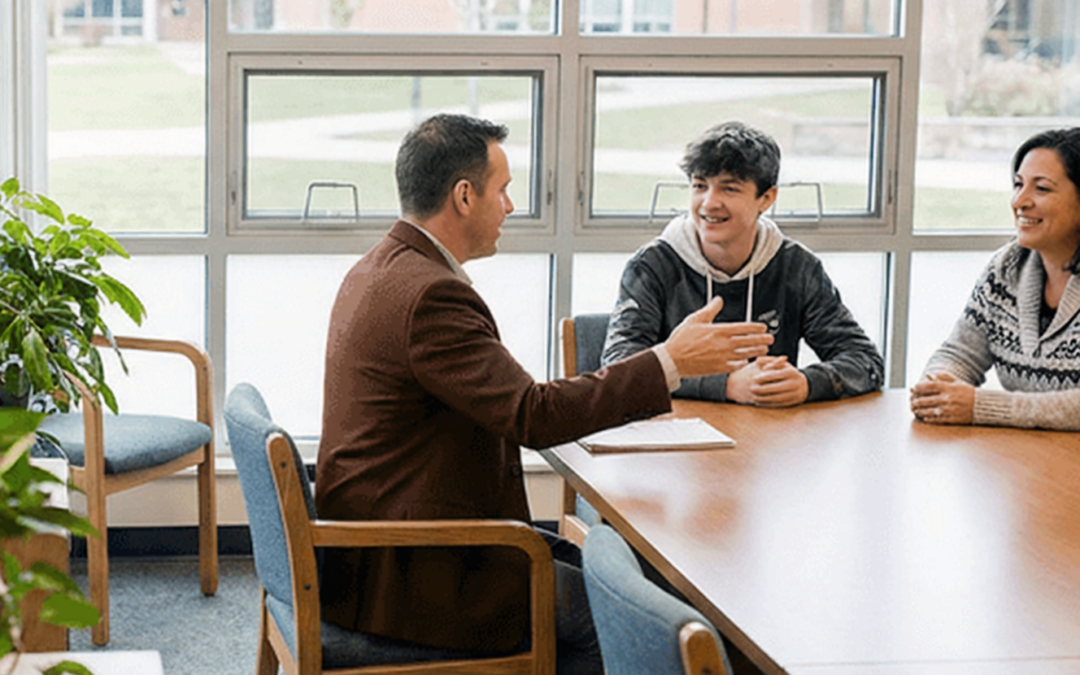
Special education is built around the understanding that students with disabilities require individualized supports to access education and make meaningful progress. Teachers, special educators, related-service providers, administrators, and families all contribute to...
by Common Ground | Jul 7, 2026 | Features, July 2026
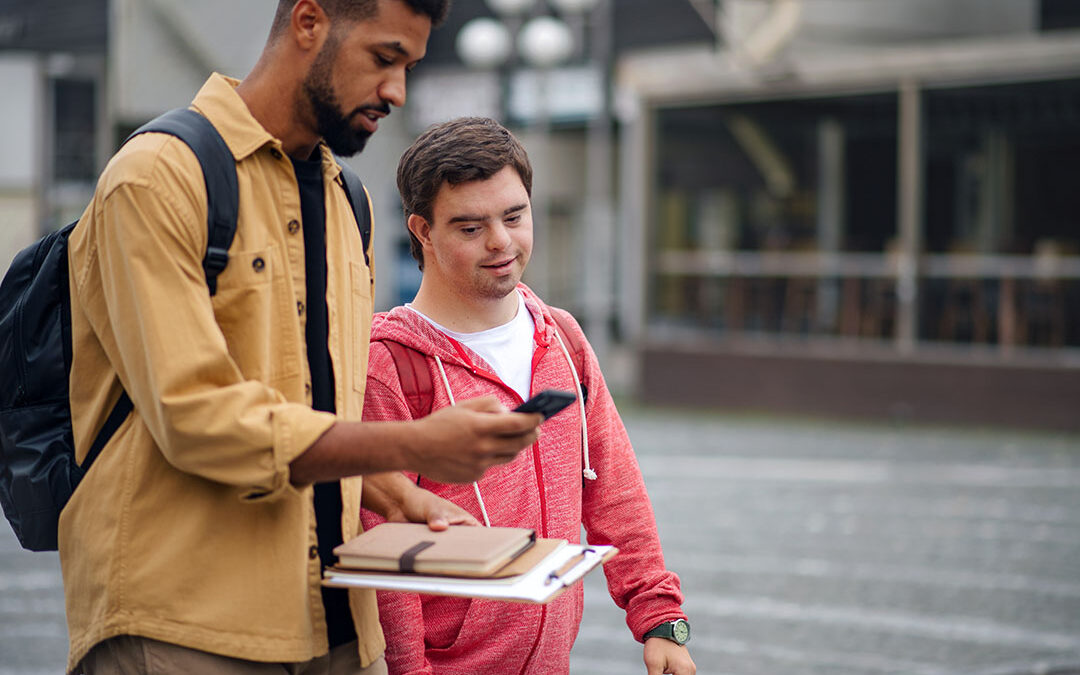
Special education aims to provide students with disabilities the skills and supports necessary to participate as independently and successfully as possible in school, work, and community settings. While classroom instruction is essential for developing academic and...
by Common Ground | May 15, 2026 | Features, May 2026
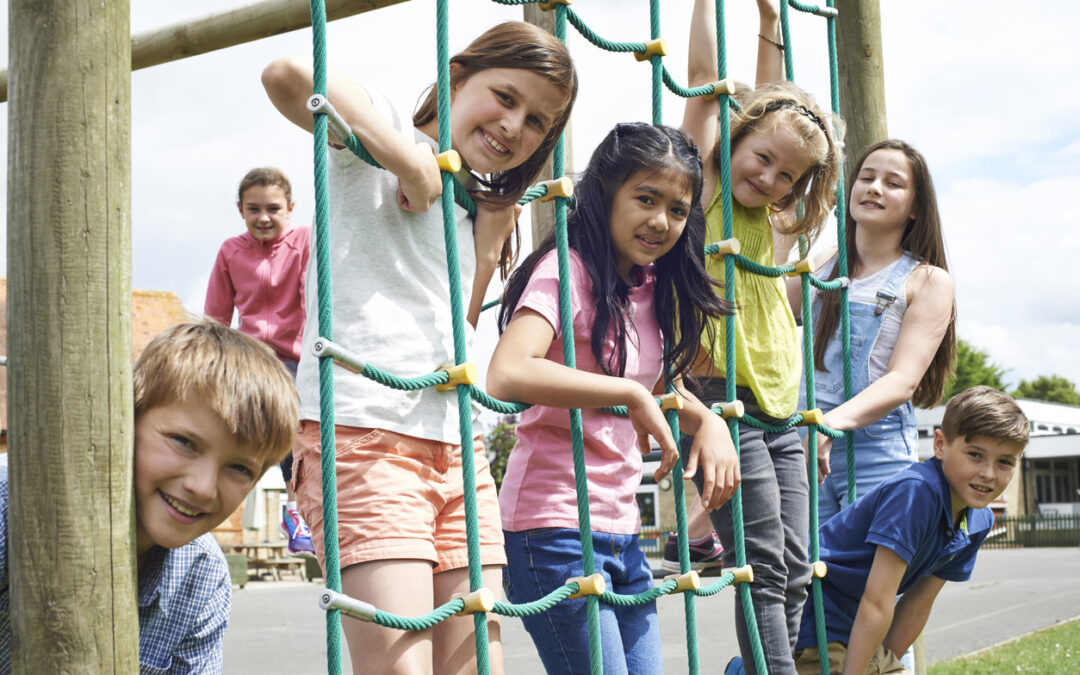
Social learning plays a crucial role in supporting students by promoting inclusion, communication, and skill development. Through interaction with peers, students gain opportunities to observe and model appropriate social behaviors, improving their ability to form...

by Common Ground | Mar 27, 2026 | Features, March 2026
Determining whether a student qualifies for special education—and, if so, designing an effective Individualized Education Program (IEP)—is a careful, data-driven process. At its best, the IEP process is not merely a compliance exercise but a structured way to...

by Common Ground | Feb 4, 2026 | Features, February 2026
Special education helps millions of students with disabilities learn, grow, and succeed in school. For these students, services like speech therapy, classroom supports, and individualized instruction are not extras—they are what make learning possible. Federal law...

by Common Ground | Nov 16, 2025 | Features, November 2025
Students with disabilities can face many different kinds of abuse in schools, and these experiences can have lasting effects on their confidence, mental health, and ability to learn. One type is verbal abuse, which happens when students are teased, mocked, or called...

by Common Ground | Sep 26, 2025 | Features, October 2025
The term “transition planning” casts a wide net. It is more than just creating a resume, job sampling, or completing a college application. The purpose of transition planning is not only to prepare the student for the next step after high school, but also...

by Common Ground | Aug 28, 2025 | Features, September 2025
For students with disabilities, the opportunity to pursue higher education is more accessible than ever before. The Americans with Disabilities Act (ADA) has opened doors at colleges and universities, which are now required to provide equal access and support. With...
by Common Ground | Jun 24, 2025 | Features, June-July 2025, Special Ed Basics
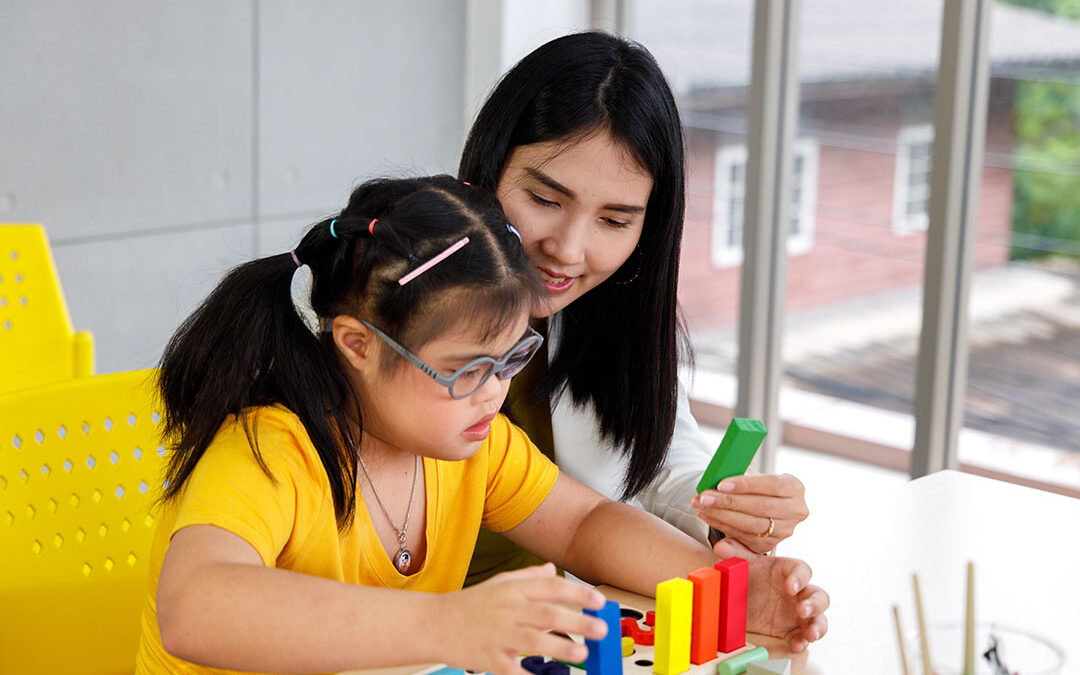
The Individuals with Disabilities Education Act (IDEA) is a federal law that ensures students with disabilities receive a free and appropriate public education. One important part of IDEA is its requirement for related services. These services are designed to help...

by Common Ground | May 25, 2025 | Features, May 2025
Federal law grants parents a key role in helping to ensure their child with disabilities gets an appropriate education. Parents can have a steep learning curve as they learn how to navigate the special education system. Without training and support, most parents do...
by Common Ground | Feb 13, 2025 | Features, February 2025
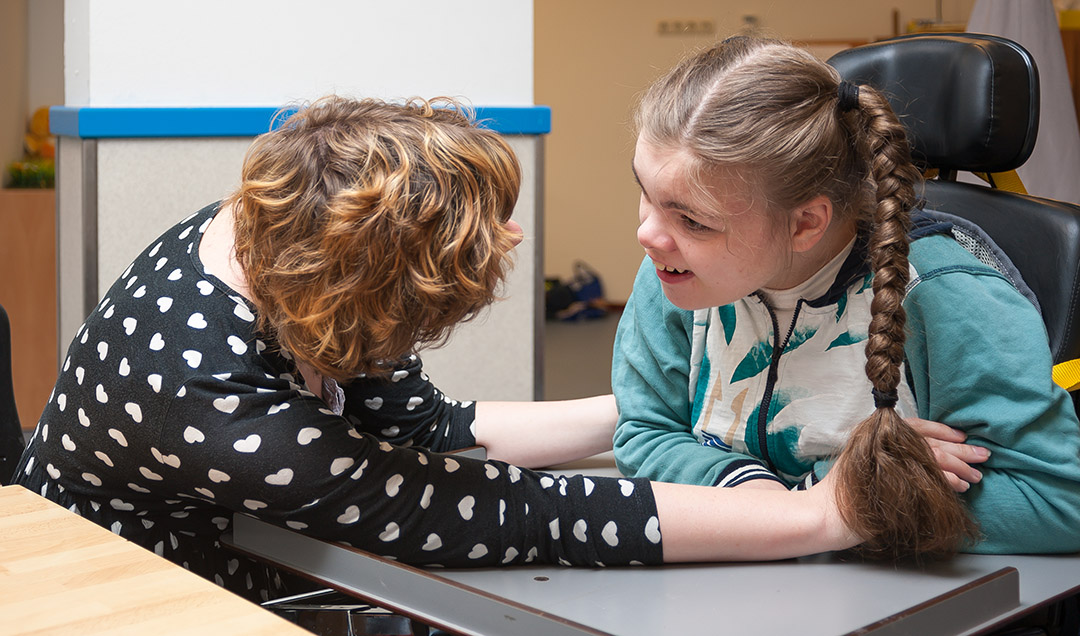
In special education classrooms, paraprofessionals can play a crucial role in helping students with disabilities access their education. Paraprofessionals work in a variety of capacities, from one-on-one aides to classroom assistants, providing individualized support...
by Common Ground | Jan 17, 2025 | Features, January 2025 Special Policy Edition
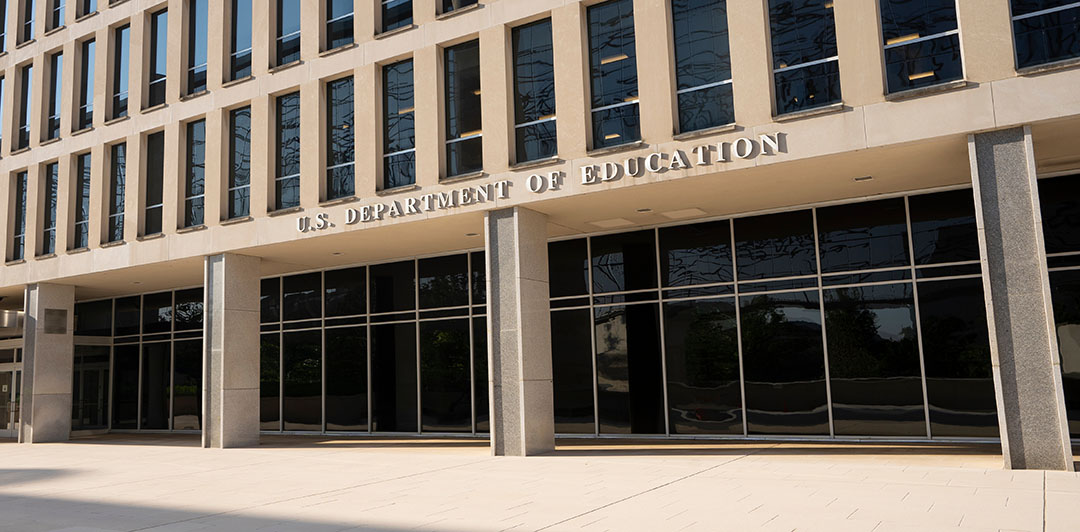
The U.S. Department of Education (USDOE) plays an important role in special education. It helps to ensure that students with disabilities get an appropriate and equitable education. Through its Office of Special Education Programs (OSEP) and its work with other...

 .
.