A strong Individualized Education Program (IEP) is more than a document that identifies services and supports—it is a roadmap designed to help students develop skills that lead to meaningful participation in school, community, employment, and adult life. While academic instruction provides an important foundation, effective IEPs must also address how students will apply what they learn in real-world situations. Community-Based Instruction (CBI) is one approach that helps bridge the connection between IEP objectives and real-world outcomes.
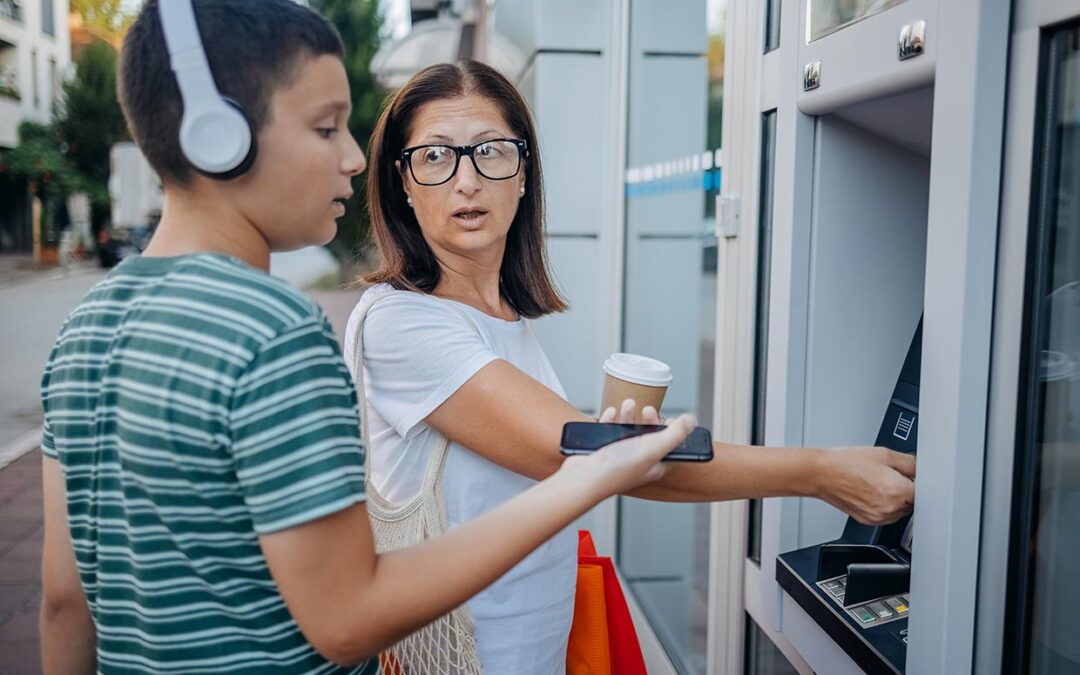
Community-Based Instruction provides students with disabilities opportunities to practice and apply skills in authentic environments. Skills such as communication, money management, problem-solving, safety awareness, self-advocacy, and workplace readiness become more meaningful when students use them in the settings where they will actually be needed. When intentionally connected to IEP goals, CBI allows educators to move beyond teaching skills in isolation and focus on how those skills support independence and successful adult outcomes.
Connecting IEP Goals to Real-Life Skills
Effective IEP goals should answer an important question: How will this skill help the student participate more independently in everyday life?
For example, an IEP goal focused on reading may connect to following workplace schedules or accessing community resources. A math goal may connect to managing money or completing purchases. A communication goal may involve requesting assistance, interacting with coworkers, or advocating for personal needs.
CBI creates opportunities for students to demonstrate these skills in meaningful contexts. A student who can identify money during a classroom activity may need direct practice applying that skill when paying at a store. Real-world experiences help educators determine whether students can transfer skills across different environments and situations.
Using CBI as Authentic Assessment
Classroom assessments do not always show how successfully students can apply skills outside of school. CBI provides opportunities for authentic assessment by allowing educators to observe students performing tasks in natural environments.
During community experiences, teams can collect data on:
- skills a student performs independently;
- level of prompting or support needed;
- problem-solving and decision-making;
- communication and social interactions; and
- ability to apply skills across settings.
This information helps guide IEP development and ensures that goals are based on what students need to succeed, not only what they can demonstrate in a classroom.
Measuring Success: Moving Beyond Completion
Success in CBI is not simply whether a student completes an activity. Meaningful progress is measured by increasing independence and reduced need for support.
For example, success in community shopping may include whether a student can follow a list, locate items, communicate with employees, complete a purchase, and manage money with increasing independence.
Progress can be measured by tracking accuracy, level of prompting, frequency of successful attempts, duration of task completion, or the ability to complete skills across multiple environments. This data helps teams determine whether strategies are effective and whether IEP goals need adjustment.
Supporting Transition and Adult Outcomes
CBI is closely connected to transition planning required under the Individuals with Disabilities Education Act (IDEA). Transition planning prepares students for life after high school, including employment, postsecondary education, independent living, and community participation.
When aligned with transition goals, CBI provides opportunities for students to explore interests, develop practical skills, and build confidence through experiences such as job exploration, travel training, banking, shopping, and accessing community resources.
Building Better IEPs Through Real-World Learning
One of the most important outcomes of effective IEPs is helping students develop independence and self-determination. Community experiences allow students to make choices, solve problems, communicate their needs, and participate more fully in their communities.
Successful CBI requires intentional planning. Community experiences should not be viewed as separate activities, but as purposeful learning opportunities connected directly to measurable IEP objectives and transition goals. Educators, families, students, and community partners must work together to identify skills, measure progress, and create meaningful opportunities for practice.
Better IEPs are not only about what students learn—they are about what students are able to do with what they learn.
 .
.