For transition coordinators, Community-Based Instruction (CBI) is more than an instructional strategy—it is a practical method for preparing students with disabilities for adult life. While transition plans outline goals related to employment, independent living, and community participation, CBI provides the real-world experiences necessary to develop and assess those skills. Effective implementation requires intentional planning, collaboration, and ongoing assessment to ensure community experiences are directly connected to students’ postsecondary goals.
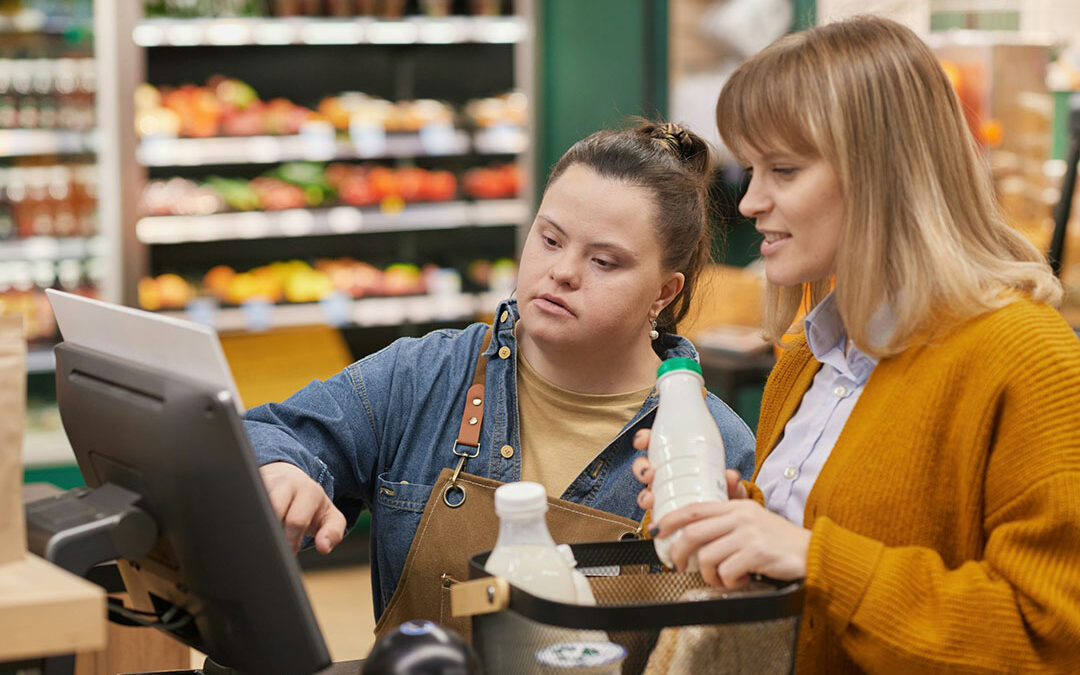
The first step in implementing successful CBI is aligning community experiences with measurable IEP and transition goals. Rather than selecting activities based on convenience, transition coordinators should identify the specific skills a student needs to achieve future success. For example, a student whose goal is competitive employment may benefit from job-shadowing experiences, workplace tours, volunteer placements, or school-based enterprises. A student focused on independent living may require instruction in grocery shopping, budgeting, meal planning, banking, or public transportation. When activities are directly linked to identified goals, CBI becomes a purposeful extension of classroom instruction rather than an isolated community outing.
Collaboration is another essential component of implementation. Transition coordinators often serve as the connection between schools, families, employers, and community agencies. Developing partnerships with local businesses, libraries, recreation centers, colleges, and vocational rehabilitation agencies expands the range of opportunities available to students. These partnerships can provide authentic environments for skill development while also helping students establish connections that may support them after graduation. Family involvement is equally important, as parents can reinforce community-based skills outside of school and provide valuable insight into students’ interests and long-term goals.
Effective CBI also requires systematic instruction. Before entering the community, students should receive direct teaching, modeling, and opportunities to practice target skills. During community activities, staff can provide prompts, visual supports, and feedback while gradually increasing student independence. Following each experience, reflection and debriefing allow students to evaluate their performance and identify areas for improvement. This instructional cycle helps ensure that learning extends beyond participation and leads to measurable skill development.
Data collection is critical to determining the effectiveness of CBI experiences. Transition coordinators should establish clear performance indicators before each activity and collaborate with teachers and related service providers to monitor progress. Observations may focus on communication skills, task completion, problem-solving, self-advocacy, social interactions, or the level of prompting required. Data gathered in authentic settings often provide a more accurate picture of a student’s abilities than classroom assessments alone and can be used to guide instructional decisions and revisions to transition plans.
When implemented effectively, CBI can produce meaningful outcomes for students. Expected results include increased independence, improved workplace readiness, stronger self-advocacy skills, and greater confidence navigating community environments. Students gain practical experience applying skills in situations they are likely to encounter after graduation, while educators obtain valuable information about student strengths and support needs. For transition coordinators, these outcomes demonstrate the true value of Community-Based Instruction: transforming transition planning from a document-driven process into meaningful preparation for adult life.
 .
.