The term “transition planning” casts a wide net. It is more than just creating a resume, job sampling, or completing a college application.
The purpose of transition planning is not only to prepare the student for the next step after high school, but also to continue moving forward with as much independence and agency as possible. Under the Individuals with Disabilities Education Act (IDEA), students with disabilities must have an IEP that includes a transition plan beginning no later than when the student turns 16. However, many independent living skills can be taught at younger ages. These skills help young people gain confidence, take on new responsibilities, and create a life that matches their personal goals and interests.
Independent Living Requires Skill
The many skills involved in independent living can be broken up into six umbrella categories: self-maintenance (e.g., personal hygiene, time management, and medical management), relationships (e.g., communication and social skills), housing (e.g., finding housing, understanding housing rights, and home maintenance), mobility (e.g., navigating the community, accessing public transportation, and getting a driver’s license), money management (e.g., understanding value, budgeting, and saving and investing), and recreation & leisure (e.g., hobbies, using free time, and engaging in team activities).
These categories help organize the wide range of abilities young people need to live successfully on their own. By breaking independence into smaller, more focused areas, it becomes easier to set clear goals, practice each skill step by step, and build confidence along the way. Together, these categories cover the essential parts of adult life, from caring for one’s health to forming meaningful connections, managing a household, being financially responsible, and finding balance through enjoyable activities.
Early Intervention
Starting early with teaching independent living skills gives young people with disabilities more time to practice and build confidence before stepping into adulthood. This proactive approach in the classroom setting empowers educators to introduce these skills in a structured and creative manner. For example, teachers can weave lessons on budgeting into math activities, use role-play to practice communication and problem-solving, or set up mock stores and job interviews to simulate real-world experiences. Daily routines in school, such as organizing assignments, following schedules, and working in groups, also naturally support skills like time management, responsibility, and collaboration. By embedding independent living skills into the curriculum, educators provide students with opportunities to learn in a safe environment where mistakes are treated as part of the learning process.
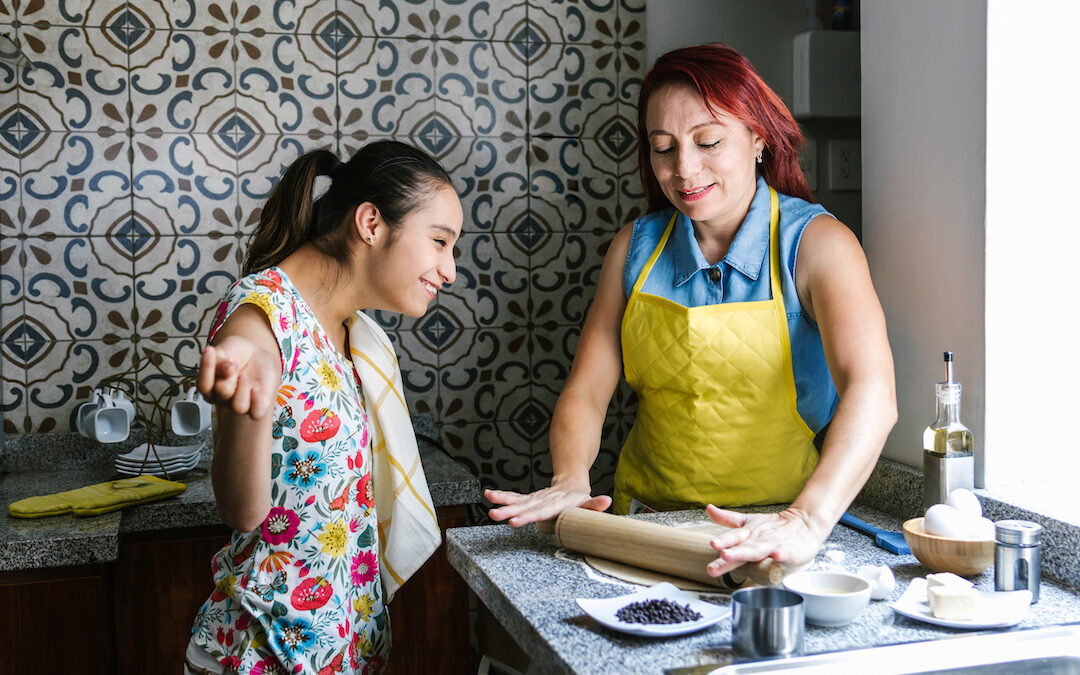
At home, families can reinforce these lessons by assigning age-appropriate responsibilities to students and encouraging them to participate in everyday tasks. Cooking a simple meal, doing laundry, managing an allowance, or planning a family outing are all valuable ways to practice independence in a supportive setting. Parents and caregivers can also help by modeling decision-making, encouraging self-advocacy, and creating opportunities for children to solve problems independently. Over time, these experiences build a strong foundation that prepares young people to apply their skills confidently outside of school and home.
Transition Support and Services
Living independently does not mean doing everything alone. It also means knowing when and how to reach out for help. Part of becoming an adult is recognizing that everyone needs support at times, whether it is asking a friend for advice, seeking guidance from a mentor, or using community resources. These supports can make a significant difference by teaching new skills, providing accommodations, or helping to resolve challenges that arise in daily life.
Connecting with peers and mentors who share similar experiences can be a powerful source of support for young people with disabilities as they transition to independent living. Peers provide a safe space to practice communication and problem-solving skills, offer practical advice on challenges such as navigating public transportation or managing responsibilities at school and work, and foster a sense of belonging that reduces feelings of isolation. Mentors—such as teachers, coaches, employers, family friends, or community leaders—can further guide young people by helping them set goals, explore career paths, practice self-advocacy, and build problem-solving skills. By learning from and supporting one another, and by relying on mentors for guidance and real-world insights, young people gain both the practical skills and emotional strength needed to move forward with independence while maintaining positive, lasting relationships.
There are services and resources available to support young people with disabilities as they transition into adulthood. These programs can provide practical tools, skill-building opportunities, and guidance that make independent living smoother and more successful. For example, NJ TRANSIT’s ADA paratransit program provides accessible transportation, REAL Transition Partners connects families and youth to information and training, and JESPY House Transition Services offers hands-on guidance for developing life skills after high school. The availability of these resources reassures educators, families, and support networks that there is a strong support system in place. Using resources does not take away from independence—instead, it makes it stronger. True independence is not about being completely alone, but about developing the confidence to make choices, solve problems, and rely on a network of supports that provide encouragement and practical help along the way.
Final Thoughts
Preparing young people with disabilities for independent living is a process that begins early and continues with support from schools, families, peers, mentors, and community resources. Teaching skills in the classroom and at home, while providing opportunities to practice real-world tasks, helps students gain confidence and develop the abilities they will need as adults. By combining early intervention, social support, and access to programs designed for transition, young people can move toward independence with greater agency, resilience, and a sense of self-reliance, while knowing that seeking help is a strength, not a weakness.
 .
.