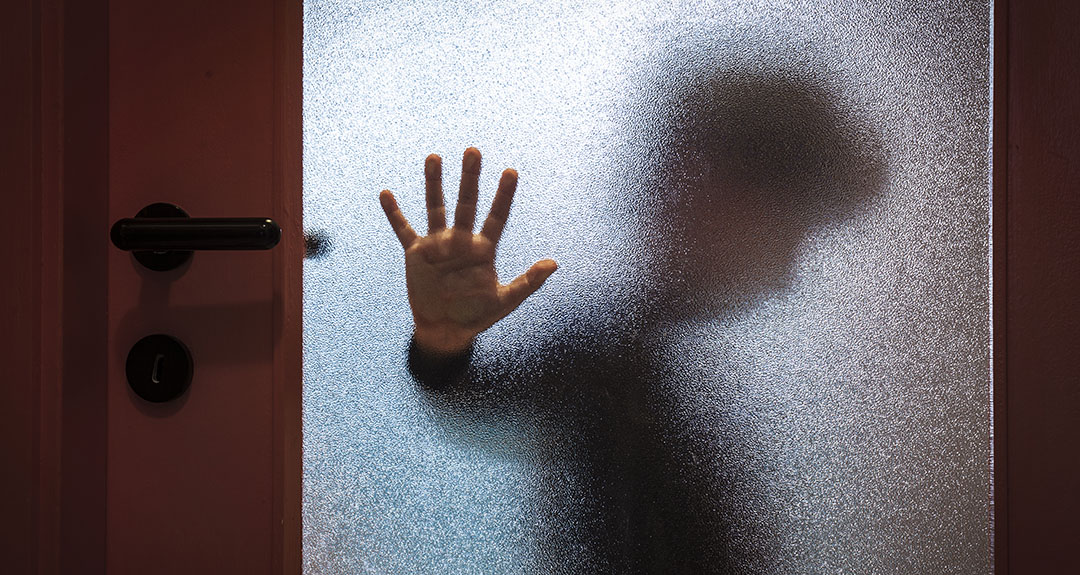
Students with disabilities can face many different kinds of abuse in schools, and these experiences can have lasting effects on their confidence, mental health, and ability to learn. One type is verbal abuse, which happens when students are teased, mocked, or called cruel names. Hearing hurtful words from classmates—or even from teachers—can make students feel ashamed or afraid to speak up. Another form is physical abuse, which might include being pushed, hit, or restrained in unsafe ways. This kind of treatment not only causes physical pain but also makes students feel powerless and unsafe at school. Emotional abuse is also common and can include being ignored, excluded from group activities, or humiliated in front of others. When teachers or peers treat students as if they are less capable or unworthy of respect, it damages their self-esteem. Abuse makes it harder for students with disabilities to learn and feel accepted. Schools must work to create supportive, respectful environments where every student feels safe, valued, and included.
Verbal Abuse
Verbal abuse is one of the most common forms of mistreatment that students with disabilities experience in schools. This kind of abuse includes teasing, name-calling, mocking, or making rude jokes about a student’s disability. Sometimes these words come from other students, but sadly, they can also come from teachers or staff who should be helping instead of hurting. Even if the words are said as a “joke,” they can leave deep emotional scars. Being belittled or insulted can make students feel embarrassed and ashamed of who they are. Over time, verbal abuse can destroy confidence and make students afraid to speak up or participate in class. When students are constantly insulted or laughed at, school becomes a place of fear instead of learning. Respectful communication is key to helping every student feel valued and supported.
Physical Abuse
Although most often associated with peer-to-peer conflict, physical abuse can come from teachers and other caretakers in school as well. This kind of abuse includes any unwanted or harmful physical contact, such as hitting, pushing, or restraining a student in a rough or unsafe way. In some cases, teachers or aides may misuse physical force to control behavior instead of using proper support strategies. Physical abuse can cause visible injuries, but it also leads to invisible wounds like fear and mistrust. A student who has been hurt physically may feel anxious or unsafe in school, especially around adults. This fear can make it difficult for them to focus, learn, or even attend school regularly. Students with disabilities deserve to be treated with care and patience, not with force. Schools must train staff to use positive, safe approaches that protect every child’s body and dignity.
Emotional Abuse
Emotional abuse can be just as damaging as verbal or physical harm, even though it is often harder to see. It happens when students are humiliated, ignored, or treated as if they do not matter. For example, a teacher might refuse to include a student in class discussions, or classmates might purposely exclude them from group activities. Some students are even made to feel like they are a “burden” to others because of their disability. These actions send the message that the student does not belong, which can lead to feelings of sadness, anxiety, and isolation. Over time, emotional abuse can cause students to lose trust in others and doubt their own worth. Every student needs to feel accepted and encouraged, especially those who already face extra challenges. Schools must build a culture where kindness, patience, and respect are the norm.
Neglect
Neglect happens when a school fails to do what is needed for a student to learn safely. For example, a student being bullied by their peers might not receive intervention and support from teachers or aids. A student who is regularly excluded from group activities, or who is mistreated on the bus needs support and intervention from school professionals. When this does not happen, students experience neglect. Students may fall behind academically and feel excluded from their peers. Schools have a responsibility to make sure every student has equal access to learning, support, and opportunity.
Effects of Abuse on Learning and Development
The effects of abuse on students with disabilities can be long-lasting and severe. When students are constantly hurt, ignored, or disrespected, it affects their ability to concentrate, learn new skills, and build healthy relationships. Many begin to doubt themselves and may lose interest in school altogether. Some develop anxiety, depression, or other emotional struggles that continue into adulthood. Abuse also damages trust—students who are mistreated by teachers or peers may find it hard to believe that any adult truly cares about them. This makes it even harder for them to ask for help when they need it. On the other hand, when students feel safe and supported, they can focus on learning and growing. Protecting students from all forms of abuse is not just about following rules—it’s about giving every child the chance to reach their full potential.
 .
.