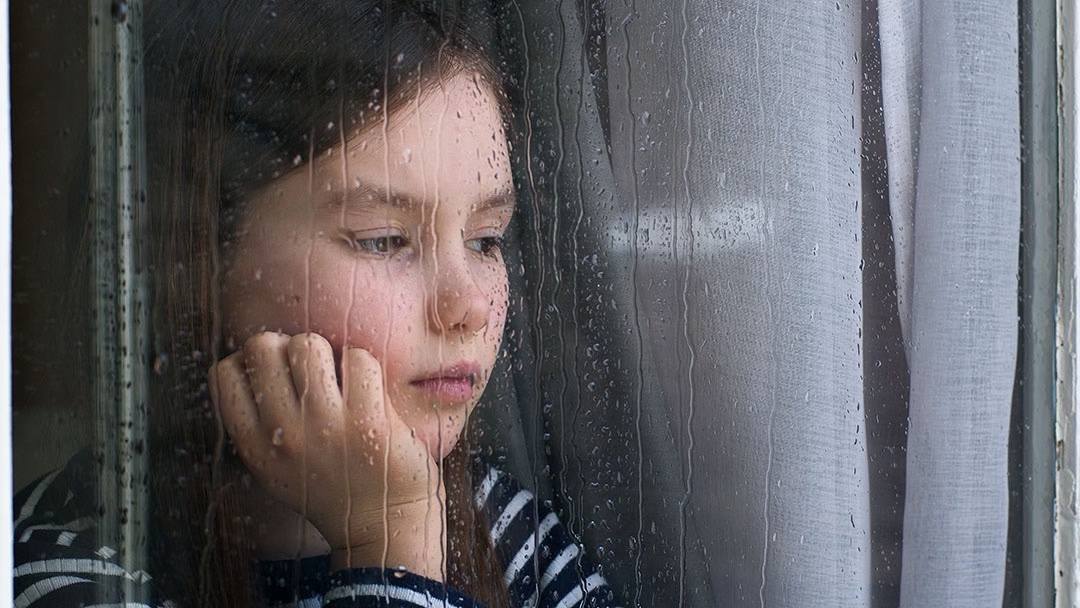
Emotional abuse often leaves no physical marks, but the psychological effects can be long-lasting. For students with disabilities, the signs might be dismissed as part of their condition rather than a reaction to mistreatment. That’s why it’s crucial for parents to notice patterns over time and document what they see or hear. Common signs of emotional abuse include:
Behavioral or Emotional Changes:
- Sudden withdrawal from friends, teachers, or activities they used to enjoy
- Increased anxiety, fearfulness, or depression—especially before or after school
- Frequent crying or appearing unusually quiet or “on edge”
- Loss of confidence or extreme self-blame (e.g., “I can’t do anything right”)
- Sudden fear of specific teachers or staff members
- Regression to younger behaviors (e.g., thumb-sucking, bedwetting, and clinginess)
Physical or Academic Indicators:
- Frequent unexplained headaches, stomachaches, or requests to stay home
- Decline in grades or loss of interest in schoolwork
- Trouble concentrating or daydreaming more than usual
- Complaints of trouble sleeping or nightmares about school
Communication Red Flags:
- Saying things like “My teacher hates me,” “They always yell at me,” or “They say I’m stupid”
- Hesitation or fear when talking about school experiences
- Avoiding eye contact or appearing nervous when asked about certain staff members
Social and Peer Relationships:
- Isolation from classmates or sudden loss of friends
- Refusal to participate in group activities
- Appearing to “walk on eggshells” around authority figures
You may feel heartbroken and unsure of what to do when you suspect your child is being emotionally abused at school. Trust your instinct—if your child’s behavior changes suddenly and school seems to be a trigger, it’s worth investigating further. Start by listening without judgement. Creating emotional safety for your child will provide a safe space for them to seek refuge and understanding. You can then begin documenting specific behaviors, dates, and any concerning statements your child makes. Once you have some information, and depending on who you suspect is inflicting the abuse, you might consider communicating with teachers, counselors, or administrators to discuss observations. If talking with the school is ineffective or you believe it is a staff or faculty member inflicting the abuse, seek outside support through psychologists, advocacy groups, or child protective services who can offer guidance and next steps.
 .
.