by Common Ground | May 15, 2026 | Features, May 2026
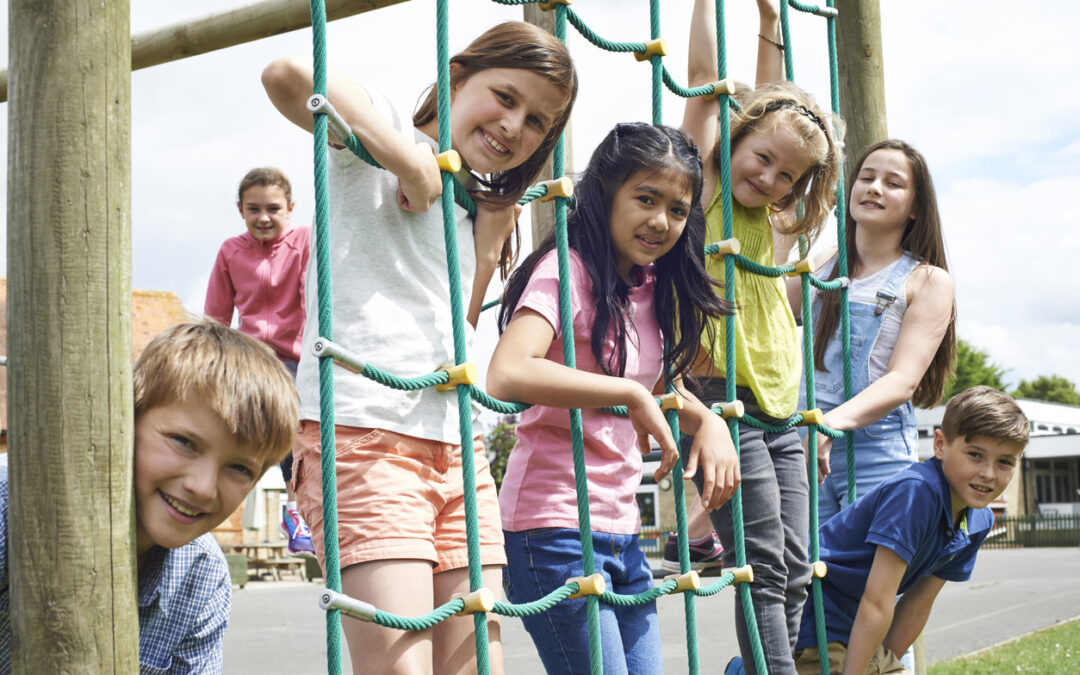
Social learning plays a crucial role in supporting students by promoting inclusion, communication, and skill development. Through interaction with peers, students gain opportunities to observe and model appropriate social behaviors, improving their ability to form...
by Common Ground | May 14, 2026 | May 2026, Teachers
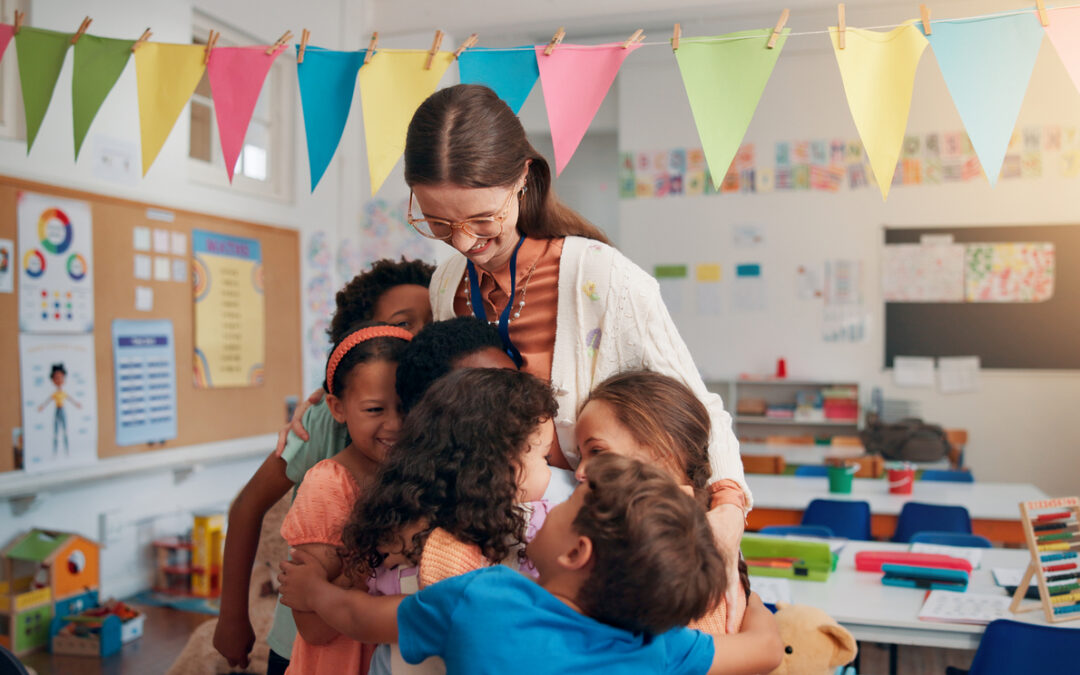
Social learning does not happen automatically. Like other “subjects” it must be intentionally structured and supported by the teacher. By using strategies such as modeling, facilitation, cooperative learning activities, explicit teaching of social skills, and...
by Common Ground | May 13, 2026 | Better IEPs, May 2026
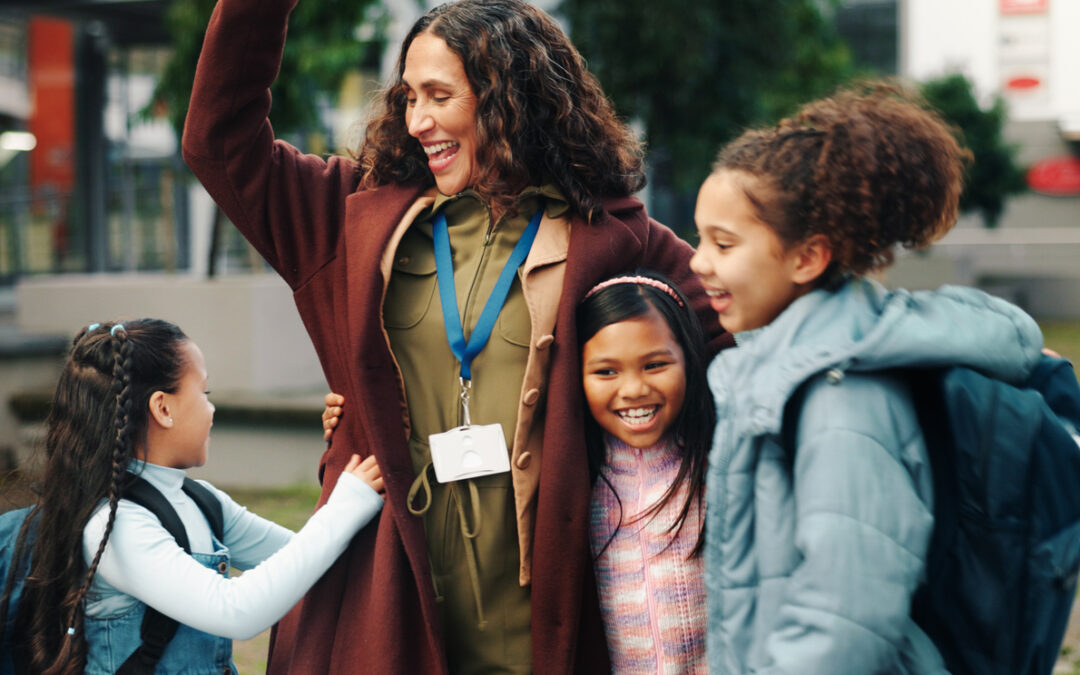
Social skills are not simply “nice to have.” They are essential skills that affect learning, behavior, employment, friendships, and community inclusion. Students who struggle socially may have difficulty working in groups, understanding social cues, managing emotions,...
by Common Ground | May 11, 2026 | May 2026, Watch This
Edutopia produced this short video sharing school-wide strategies and practices focused on social-emotional learning. Teachers notice a change in student behavior with they have the language to speak about and solve problems, and skills to manage uncomfortable...

by Common Ground | May 3, 2026 | Capitols, May 2026
On March 16th, 2026 a bill was introduced that would create a statewide Social-Emotional Learning (SEL) Program within the New Jersey Department of Education aimed at supporting students in grades K–5. The bill establishes a structured, state-supported effort to...
by Common Ground | Mar 27, 2026 | Features, March 2026
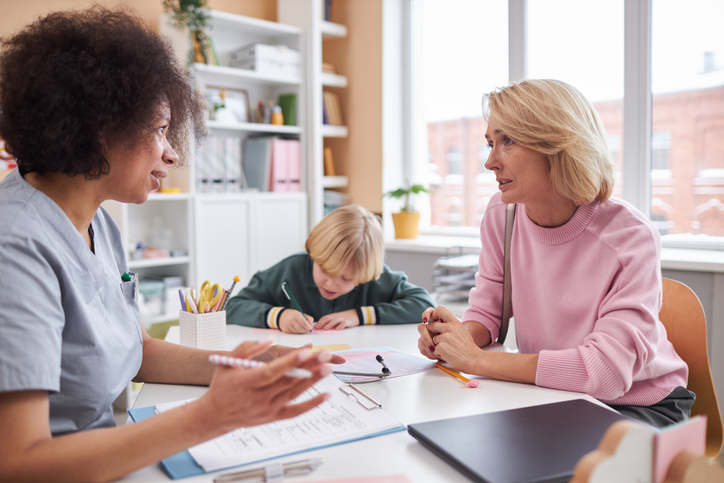
Determining whether a student qualifies for special education—and, if so, designing an effective Individualized Education Program (IEP)—is a careful, data-driven process. At its best, the IEP process is not merely a compliance exercise but a structured way to...
by Common Ground | Mar 27, 2026 | March 2026, Special Ed Basics
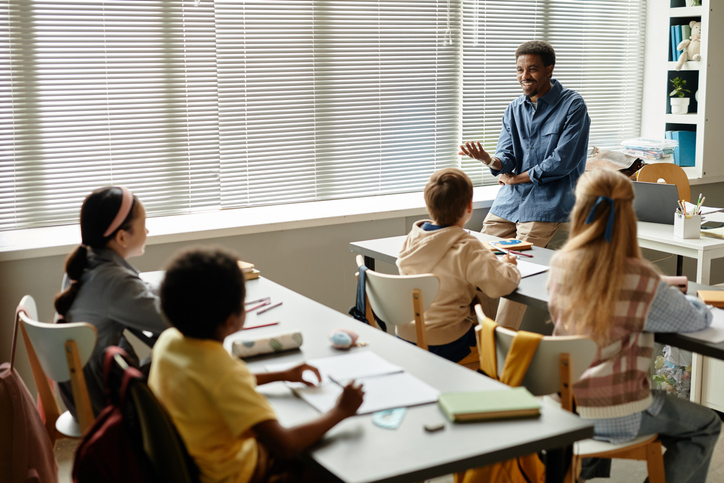
The least restrictive environment (LRE) is one of the core elements of a child’s IEP. It shapes where the child learns throughout the school day, how services and supports are delivered, and the kinds of relationships the child forms with peers and adults. More than a...
by Common Ground | Mar 26, 2026 | Better IEPs, March 2026
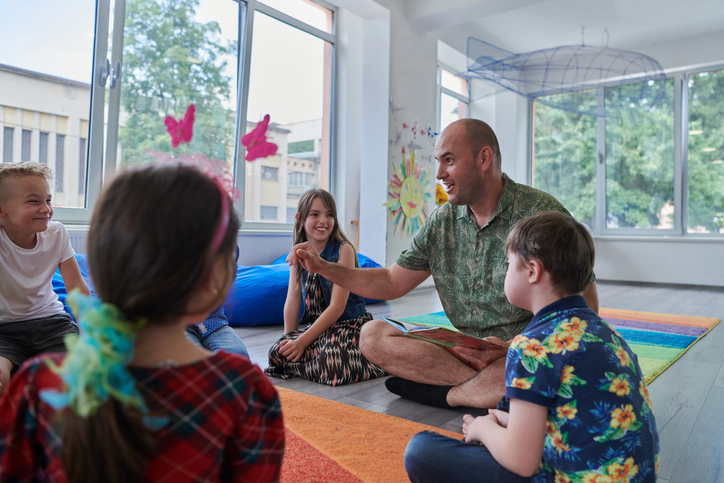
The Present Levels of Academic Achievement and Functional Performance—referred to by several acronyms including PLP, PLOP, or PLAAFP, is the foundation of a strong IEP. While goals and services often receive the most attention, the PLP is what anchors the entire...
by Common Ground | Mar 26, 2026 | March 2026, Q&A
Q: What is the most important decision made during an IEP meeting? A: The student’s placement. Placement determines where a student will receive services and spend their school day. It must never be based on what is easiest for adults or what programs already exist....
by Common Ground | Mar 26, 2026 | March 2026, Snapshot
As of October 2024, New Jersey reported 242,001 students with IEPs, or 17.35% of students. 6.98% of New Jersey students with disabilities were parentally placed in private schools in 2024, compared with 1.71% nationwide in the 2022–23 school year. In New Jersey in...

 .
.