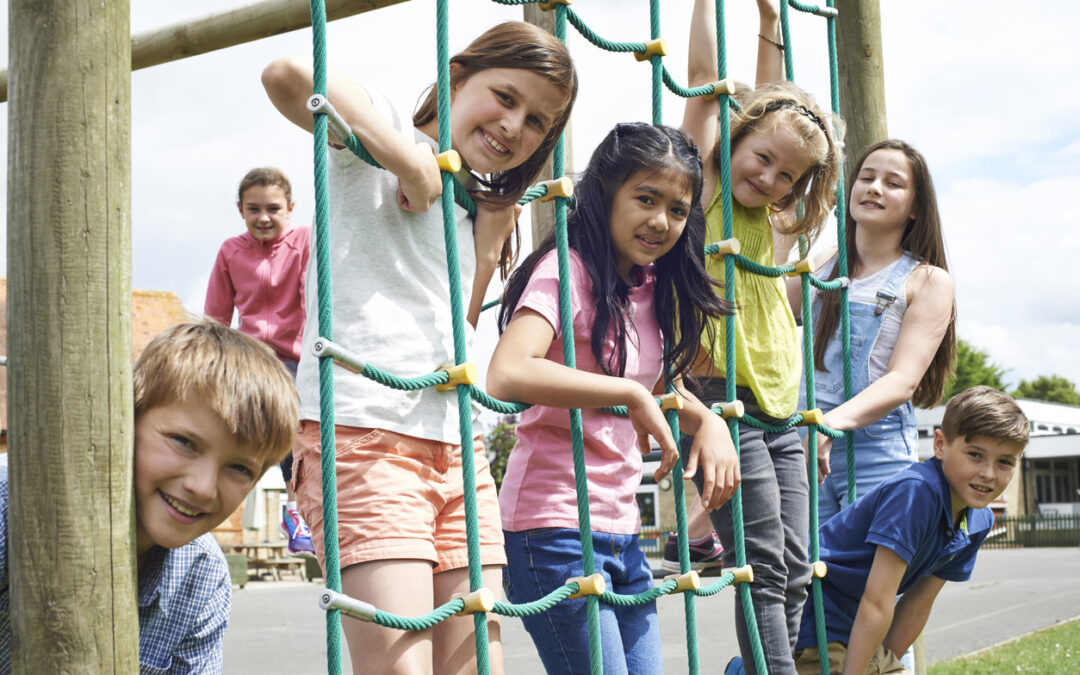
Social learning plays a crucial role in supporting students by promoting inclusion, communication, and skill development. Through interaction with peers, students gain opportunities to observe and model appropriate social behaviors, improving their ability to form relationships and participate in group settings. Social learning also enhances language, emotional regulation, and problem-solving skills, which are often areas of difficulty for students with disabilities. Inclusive environments encourage collaboration, helping students with disabilities feel valued and reducing stigma or isolation. Peer support can boost confidence and motivation, leading to greater academic engagement. By integrating social learning into educational practices, schools create more equitable and supportive environments that address both the academic and social needs of students with disabilities, ultimately fostering independence and long-term success.
The Challenges Faced by Students
Students with disabilities often face a range of challenges that affect both their academic performance and social experiences in school. These challenges vary depending on the type and severity of the disability, but many students encounter difficulties with communication, social interaction, and processing information. For example, students with learning disabilities may struggle to keep up with classroom instruction, while those with developmental or social communication disorders may find it hard to interpret social cues, maintain conversations, or work effectively in groups.
In addition to academic and communication barriers, students with disabilities may also experience feelings of isolation or exclusion. They can be more vulnerable to bullying or may withdraw from social situations due to frustration or lack of confidence. This can limit their opportunities to build friendships and practice important interpersonal skills. Emotional and behavioral challenges, such as anxiety or difficulty regulating emotions, can further impact their ability to engage in classroom activities and peer interactions.
Environmental factors also play a role. Classrooms that lack inclusive practices or sufficient support can unintentionally create barriers to participation. Without structured opportunities for interaction and collaboration, students with disabilities may miss out on valuable learning experiences. Understanding these challenges is essential for educators, as it highlights the need for intentional strategies that foster inclusion, support diverse needs, and create a more equitable learning environment for all students.
Benefits of Social Learning
Social learning provides important academic, social, and emotional benefits. Structured peer interaction—such as group work, peer mentoring, and collaborative problem-solving—improve engagement, skill development, and active participation. These approaches create opportunities for students to learn from one another, share ideas, and build understanding together.
Without intentional opportunities for interaction, students with disabilities can experience significantly fewer social exchanges than their peers. This gap can lead to isolation, even in classrooms that are otherwise inclusive. However, when teachers use small-group instruction and peer-based activities, the number and quality of interactions increase. This shows that the way a classroom is structured has a direct impact on how students connect with one another.
In addition to improving participation, social learning supports the development of important life skills. Through interaction with peers, students can strengthen their communication abilities, improve self-regulation, and build confidence. These skills are essential not only for academic success but also for forming relationships and navigating social environments outside of school. Increased interaction with peers can also contribute to higher self-esteem and a stronger sense of belonging.
The benefits of social learning extend to all students in the classroom. Students without disabilities gain valuable skills such as empathy, cooperation, and effective communication when they work with diverse peers. Explaining ideas and collaborating with others can also deepen their understanding of the material. As a result, social learning helps create a more supportive and connected classroom environment for everyone.
Inclusive Classrooms
The success of social learning depends largely on how inclusive classrooms are designed and managed. Inclusion is most effective when it focuses on meaningful participation rather than simply placing students with disabilities in general education settings. Teachers play a central role in creating inclusive environments by encouraging interaction, modeling respectful behavior, and adapting instruction to meet a wide range of needs.
Structured interaction is a key component of effective inclusion. Students with disabilities often participate more during small-group or peer-based activities than during whole-class instruction. Strategies such as cooperative learning, peer tutoring, and guided discussions allow students to engage more actively and contribute to the learning process. These approaches help ensure that all students have a voice in the classroom.
Inclusive classrooms must also address social challenges that students with disabilities may face. These can include limited confidence, communication difficulties, or feelings of exclusion. Structured social learning activities provide consistent opportunities for students to interact in a supportive setting, helping to reduce these barriers. When teachers promote a culture of respect and acceptance, students are more likely to feel valued and included.
At the same time, effective inclusion requires proper support. Simply placing students together does not guarantee meaningful interaction or success. Teachers need to provide differentiated instruction, accessible materials, and guidance to help all students participate fully. When these supports are in place, inclusive classrooms can successfully integrate social learning into everyday teaching.
Implications
Social learning is an essential part of creating positive educational experiences for students with disabilities. By encouraging interaction and collaboration, it helps students build important academic and social skills while also reducing isolation. Inclusive classrooms provide the structure needed for social learning to be effective, but their success depends on thoughtful planning and support.
When educators prioritize collaboration, create supportive environments, and meet the needs of all learners, they help build classrooms where every student can succeed. In this way, social learning becomes a powerful tool for promoting inclusion and strengthening the overall learning community.
 .
.